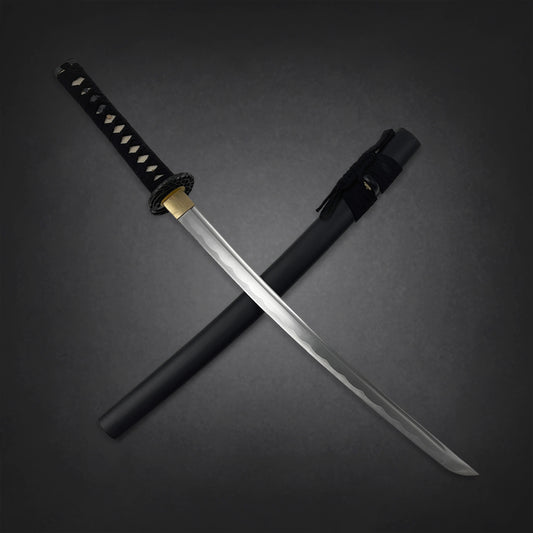
The samurai sword, known as the katana, is more than just a weapon; it embodies a rich tapestry of history, culture, and craftsmanship. As martial arts enthusiasts and collectors explore the world of Japanese swordsmanship, the significance of these blades becomes increasingly clear. Understanding their evolution, practical use, and the artistry behind them provides valuable insights for both practitioners and admirers alike. This exploration delves into the multifaceted nature of the samurai sword, revealing its historical roots and its relevance in contemporary martial arts.
In today’s world, where traditional practices often blend with modern techniques, the samurai sword serves as a bridge connecting the past with the present. It plays a vital role in martial arts training, spiritual practices, and cultural ceremonies. As practitioners seek to enhance their skills and deepen their understanding of the art, the katana's design and functionality become paramount. This article aims to educate readers about the practical aspects of samurai swords, their historical significance, and how they continue to inspire passion and dedication across the globe.
Furthermore, the samurai sword is not just a tool of combat; it is a symbol of honor, discipline, and the samurai code, known as Bushido. This code emphasizes virtues such as courage, loyalty, and respect, which are integral to martial arts practice. As we unravel the layers of the samurai sword's significance, we will also examine how modern practitioners can incorporate these values into their training and life. Join us as we embark on this fascinating journey into the world of the practical samurai sword.
Samurai swords have a storied history that dates back to the late Heian period (794–1185) in Japan. Initially designed for mounted combat, these swords underwent significant evolution, leading to the distinct curved blade that we recognize today. The katana became a symbol of the samurai class, a warrior elite that emerged during Japan's feudal era. The craftsmanship involved in creating these swords is remarkable, with smiths employing traditional techniques passed down through generations, ensuring that each blade is unique and imbued with cultural significance.
Throughout history, the samurai sword has been associated with the ideals of the samurai, including loyalty to one's lord and the pursuit of personal excellence. The sword was not merely a weapon but a reflection of the samurai's identity. Each katana was often named and revered, with its own history and legacy. For example, famous swords such as the Honjo Masamune are celebrated not only for their superior craftsmanship but also for their historical significance, having been wielded by renowned warriors.
In addition to their martial applications, samurai swords played a critical role in Japanese culture. They are featured in countless art forms, including literature, theater, and film, often symbolizing honor, sacrifice, and the warrior spirit. As such, understanding the historical context of the samurai sword enriches our appreciation for its modern applications in martial arts and self-defense training.
The art of swordsmithing in Japan is a meticulous process that combines both science and artistry. Traditional methods involve folding and hammering the steel to create layers, which not only enhances the blade's strength but also contributes to its aesthetic beauty. This technique, known as tamahagane, involves smelting iron sand to produce high-quality steel. The resulting blade possesses unique characteristics, such as resilience and the ability to hold a sharp edge.
Modern swordsmiths continue to adhere to these ancient traditions while also integrating innovative techniques to improve functionality. For instance, some contemporary smiths experiment with different alloys and tempering processes to create blades that cater to the needs of today's martial artists. This blend of tradition and innovation ensures that the samurai sword remains relevant, functional, and deeply appreciated by current practitioners.
The symbolism of the samurai sword extends far beyond its practical use in combat. It represents the honor of the samurai, embodying principles of discipline, respect, and loyalty. The act of drawing the sword is considered a profound moment, often accompanied by rituals that reflect the sword's significance. For martial artists, the katana serves as a reminder of their commitment to these principles, encouraging them to embody the values of the warrior spirit in their training and daily lives.
Moreover, the katana's cultural importance is evident in various ceremonies, including kintsugi, where broken swords are repaired and celebrated, symbolizing resilience and the beauty of imperfection. This philosophy resonates deeply with martial artists, who appreciate the parallels between the sword's journey and their own paths of growth and self-improvement.
In contemporary martial arts, the samurai sword has found its place in various disciplines, including Kendo, Iaido, and Kenjutsu. Each of these arts emphasizes different aspects of swordsmanship, from sparring to solo forms, allowing practitioners to explore the sword's versatility. The katana is not only a training tool but also a means of connecting with the rich heritage of Japanese martial traditions.
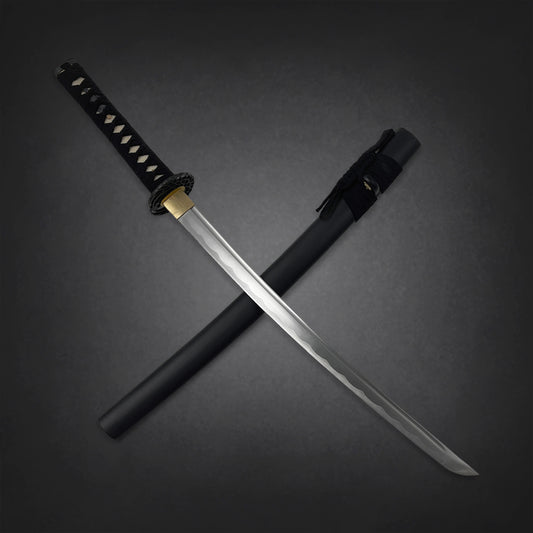
In Kendo, for instance, practitioners use bamboo swords called shinai, which simulate the experience of wielding a katana while allowing for safe sparring. This martial art focuses on the mental and physical aspects of combat, emphasizing discipline and respect for opponents. Conversely, Iaido emphasizes the art of drawing the sword and executing precise cuts, reflecting the spiritual connection between the practitioner and the blade.